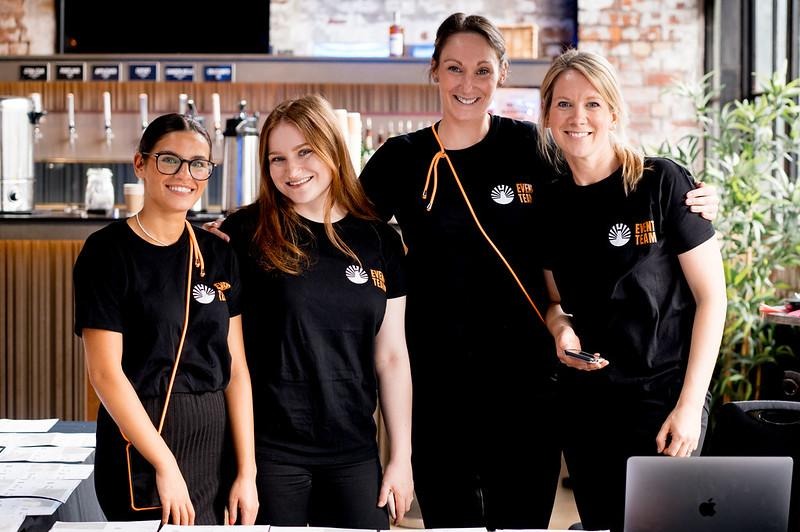
Driving sustainable change in the events industry with BeaconHouse
Sustainability in the events industry is no longer a “nice to have” – it’s becoming an essential part of how meaningful, responsible events are delivered. And BeaconHouse Events is an agency doing just that – co-ordinating events with sustainability at their core.
We spoke to Katie McNeill, Event Manager at BeaconHouse Events, about their sustainability journey as a business. We discussed the growing importance of tackling food waste at events, and how partnering with Olio has given them a zero-hassle way to do just that (while giving back to communities).
How sustainability has become a differentiator (and a responsibility)
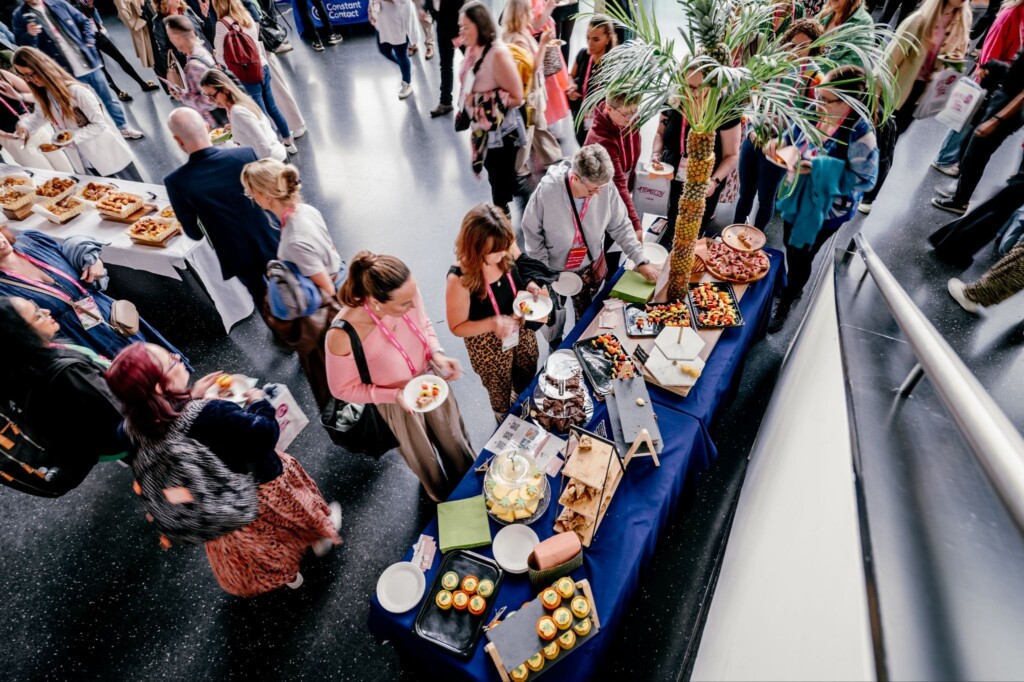
Over the last few years, sustainability has become a core part of BeaconHouse’s mission. Sparked initially by organising Planet Mark’s ESG and social value awards, BeaconHouse began to examine their own practices more holistically.
And over the past couple of years, the BeaconHouse team has definitely noticed a gradual shift in attitudes within the sector. Katie told us:
“It’s creeping up the agenda. A few years ago, sustainability might not have featured at all, but now it’s definitely more of a non-negotiable – and by us focusing on it as part of our core offer, clients don’t have to worry about it.
For BeaconHouse, sustainability has even become a helpful differentiator when pitching for new business. Even if a client wasn’t too fussed about sustainability at the start of the planning process, they are by the end.
Why food waste really matters in events
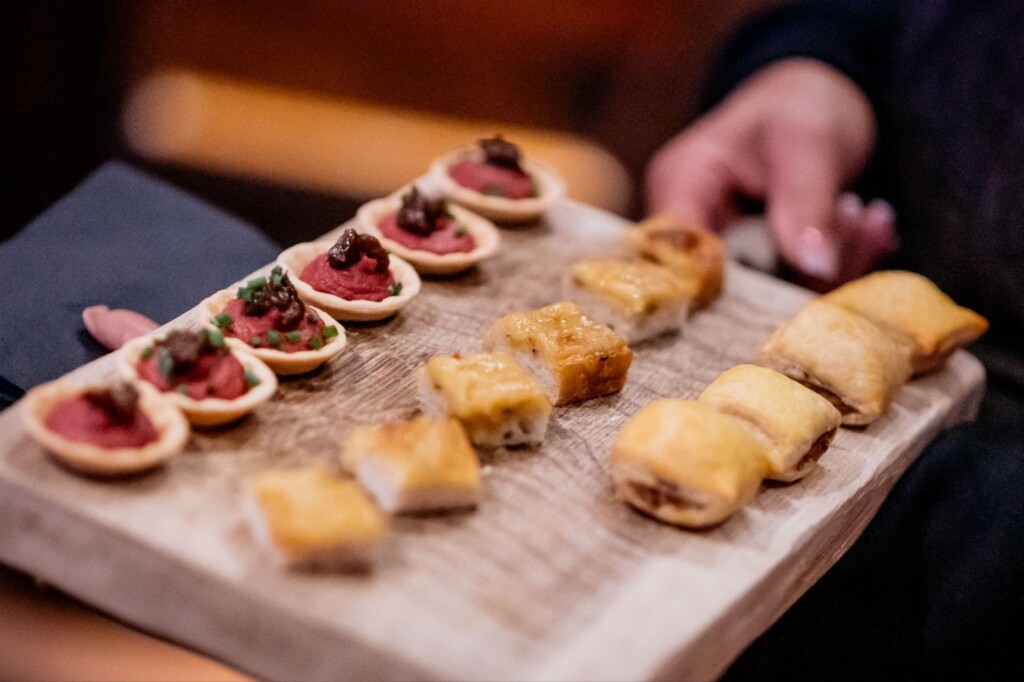
While audience travel remains one of the biggest contributors to event emissions, catering and food waste are key areas where organisers can make immediate, tangible change.
BeaconHouse was already ahead of the curve:
• Offering vegetarian or plant-based catering by default (77% of their catering is meat free meals, putting them well ahead of the isla industry benchmark of 56%)
• Reducing over-ordering by working closely with venues
• Donating some unused food and ingredients to charities and food banks
• Encouraging staff (and delegates themselves) to take leftover food home – yes, they even added instructions for guests to “bring Tupperware” to their pre-event briefings!
But despite best efforts, surplus food was still ending up in the bin – and that didn’t feel right:
“We knew we were reporting food waste as part of our carbon tracking, and it was uncomfortable knowing perfectly good food was being thrown away. We were determined to change that”
Finding the right, flexible food waste solution for their events
BeaconHouse first partnered with Olio in June 2025, using the platform to redistribute surplus food from a large, multi-day regional tech festival they co-organise.
For this series of events, BeaconHouse began using Olio’s platform to schedule collections, communicate with volunteers, and confirm food availability. And operationally, the partnership instantly felt like a good fit – importantly through the flexibility it offered.
At events, food surplus levels fluctuate more than they might do with some of Olio’s partners in other sectors – like supermarkets. But BeaconHouse was impressed that Olio’s volunteers always understood the bigger picture.
“Sometimes there’s less food than expected, or none at all. If there’s nothing to collect, the volunteers are really understanding – they’re not just there for the food, they get that the overarching goal is no waste.”
Another important factor that made Olio an obvious choice for BeaconHouse was the approach to liability and food safety. Once collected by volunteers, and provided that the relevant checks around dates and temperatures have taken place, Olio takes responsibility for any surplus food shared from here (contractually!).
How waste reduction is creating real community impact
While reducing carbon and waste is crucial, Olio has also helped BeaconHouse strengthen the social impact of their events.
Surplus food is redistributed to people in local communities who’ll really appreciate it – turning an environmental problem into a social good.
“It’s a really nice way to solve two problems at once. The environmental impact is obvious, but the fact that the food is being enjoyed by people who might not otherwise afford a hot meal is incredibly powerful.”
Using Olio impact data to tell a story
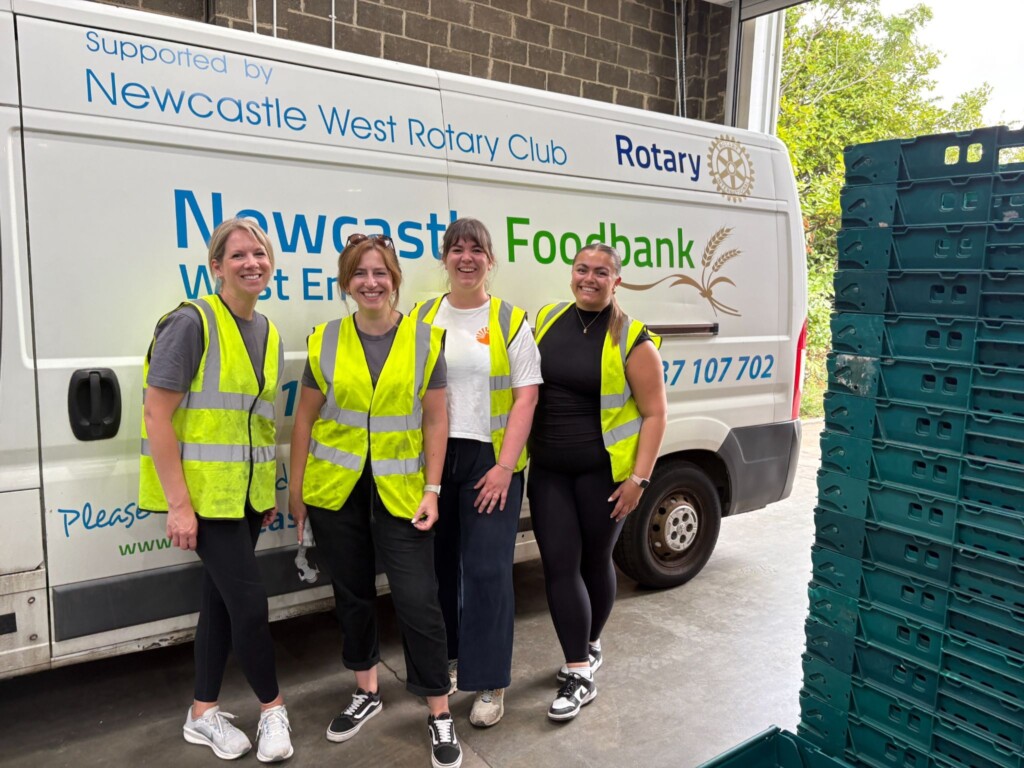
BeaconHouse incorporates the impact data provided by Olio into their wider sustainability reporting. This includes:
• Total weight of food waste prevented
• Number of portions saved
• Number of families supported
And so far, their impact from a handful of events has been impressive:
• 150 meals rescued from 9 events
• 47,000 litres water saved (that’s about 50 years of drinking water for one person*)
• 270kgs co2 emissions prevented (that’s like cancelling out 2 return flights from London to Paris ✈️)
* one person drinks 2–3 litres per day
While this data has so far been used more internally, BeaconHouse plans to bring it front and centre in client conversations in 2026 – setting food waste objectives at the very start of each event, as well as reporting on them afterwards.
Looking ahead to the future
BeaconHouse sees huge potential for food redistribution across the events industry – especially in a sector where surplus is often written off as “inevitable”.
Their partnership with Olio is still evolving, but the impact is already clear – and they’re ambitious about the future.
“There’s so much potential for food redistribution in events. Organisations like ours are trying to lead the charge – but there’s still a long way to go.”
Want to learn more about reducing food waste at events?
Discover how Olio partners with event organisers to turn surplus food into positive impact for people and the planet. Email Lily Chappin on lily.chappin@olioapp.com to start a conversation today.